Phoenix Auto Shipping and Car Shippers: A Comprehensive Guide to Open and Enclosed Transport, Cross-Country Shipping, and Hassle-Free Vehicle Relocation
Moving a vehicle across Arizona or transporting it to another state can be much easier when you understand your options and work with a suitable auto transport provider. Whether you are relocating to Phoenix for a new job, purchasing a vehicle from another state, sending a car to a family member, or planning a cross-country move, professional vehicle shipping can help you avoid the time and mileage associated with a long drive.
Choosing the right service involves more than finding a low price. You need to understand open and enclosed transport, compare shipping estimates, prepare your vehicle, and coordinate pickup and delivery. With the right information, Phoenix auto shipping becomes a more manageable process, allowing you to make decisions that fit your budget, schedule, and vehicle protection needs.
Understanding Phoenix Auto Shipping Services
Auto shipping involves transporting a vehicle from one location to another using specialized equipment and trained transportation professionals. Depending on the route, service provider, and vehicle requirements, your car may travel on an open trailer, inside an enclosed carrier, or through a specialized transport arrangement.
People use Phoenix car shippers for many reasons. Some need to move a personal vehicle during a household relocation, while others arrange delivery after purchasing a car online. College students, military families, seasonal residents, dealerships, and collectors may also benefit from vehicle transportation services.
When Professional Car Shipping Makes Sense
Driving your vehicle to a new destination may seem straightforward, but a long-distance road trip can involve fuel, lodging, meals, tolls, maintenance, and time away from work or family. Professional transportation offers an alternative, especially when you need to move several household items, coordinate a tight relocation schedule, or avoid adding thousands of miles to your car.
Shipping can also be useful when a vehicle is being purchased from another state or delivered to a location where driving it yourself would be inconvenient. Before booking, compare the total cost and practical considerations of shipping against the cost and effort of driving.
How Auto Transport Providers Arrange Shipments
Some companies operate their own transport trucks and move vehicles directly. Others work as brokers, arranging transportation through authorized carriers. A broker can help locate capacity along a specific route, while a direct carrier handles the physical movement of the vehicle using its own equipment.
Before signing an agreement, ask whether the business is a carrier or broker, who will transport your car, and how you will receive updates. Understanding each party's role helps you know whom to contact about scheduling, vehicle inspections, and claims.
Open Auto Transport: An Affordable and Popular Option
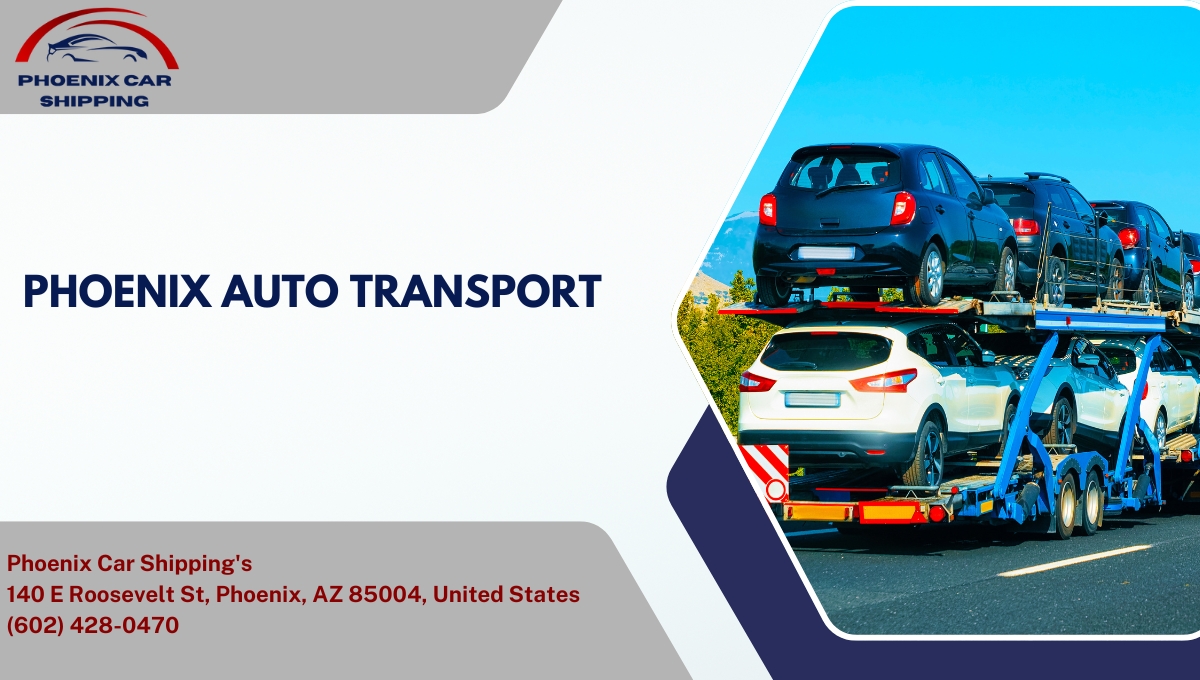
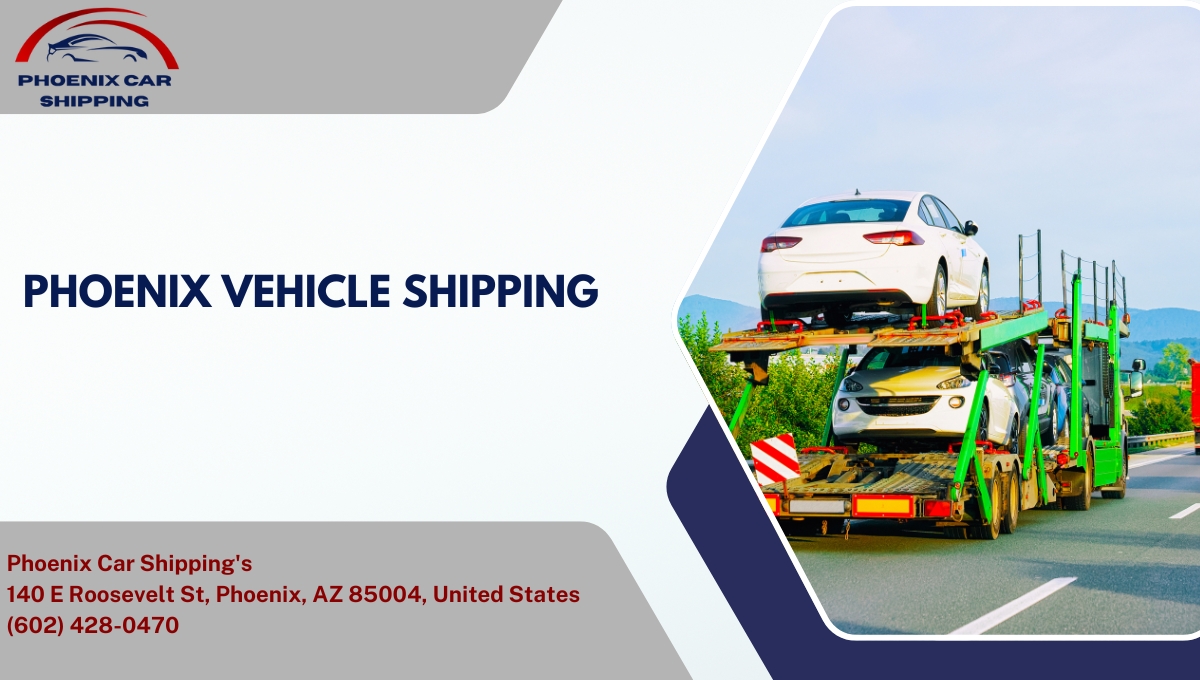
Open auto transport is widely used for standard cars, SUVs, and pickup trucks. Vehicles are secured on an open trailer, similar to those commonly used to deliver new cars to dealerships. Since one truck can carry several vehicles at once, this option is often more economical than enclosed transportation.
Benefits of Open Car Shipping
For many everyday vehicles, open transport offers a practical balance between cost and convenience. It is commonly available on established routes and may provide more carrier options than specialized services.
- Budget-friendly pricing: Shared trailer space can make open shipping a cost-effective choice.
- Broad availability: Open carriers serve many common vehicle shipping routes.
- Suitable for everyday cars: Sedans, family vehicles, SUVs, and many pickup trucks can be transported this way.
- Flexible route options: Established carrier networks may offer multiple scheduling possibilities, depending on demand.
What to Consider Before Choosing Open Transport
Because the trailer is uncovered, the vehicle remains exposed to ordinary outdoor conditions during the journey. Rain, dust, sunlight, and road debris are possible considerations. Although open transport is a routine industry service, it does not offer the same environmental protection as an enclosed trailer.
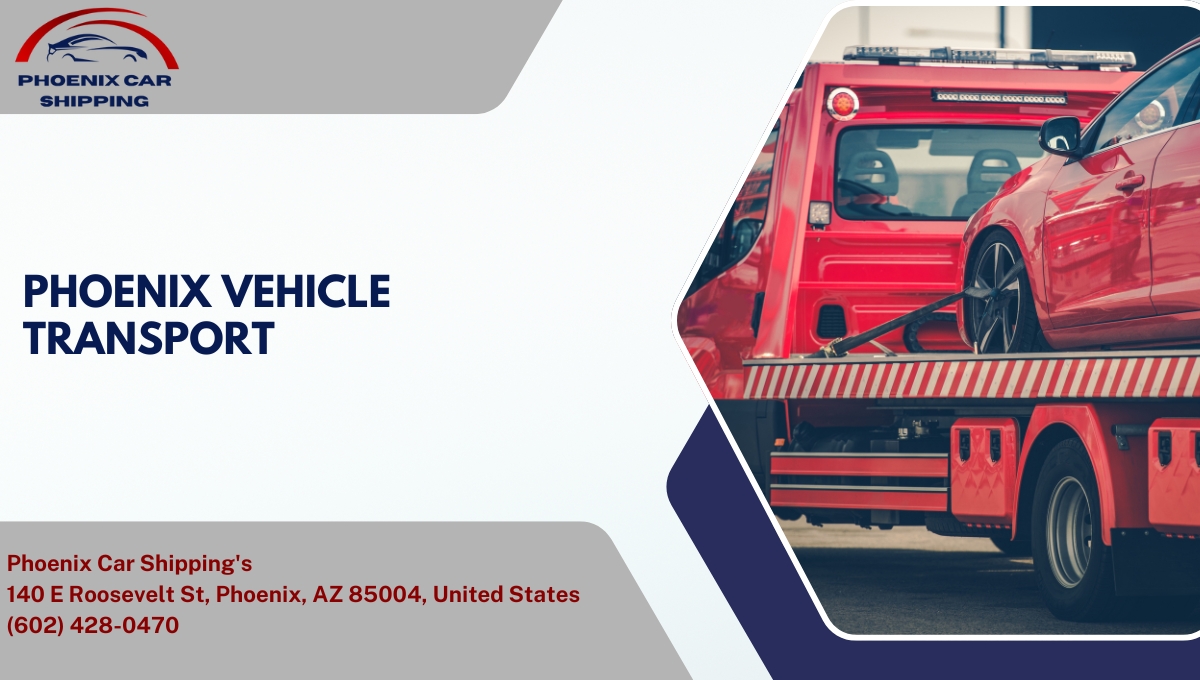
For a regularly driven vehicle, this trade-off may be reasonable. Owners of rare collectibles, freshly restored cars, or high-value vehicles should assess their protection priorities before deciding. Ask the provider about the loading process, inspection documentation, and applicable cargo insurance.
Enclosed Auto Transport for Valuable Vehicles
Enclosed auto transport carries vehicles inside a covered trailer, providing an additional barrier against weather and road debris. This service may be appropriate for classic cars, exotic vehicles, luxury models, collector automobiles, and vehicles with specialized finishes.
Advantages of Enclosed Shipping
The covered trailer offers extra protection from environmental exposure during transportation. Depending on the carrier, enclosed service may also include equipment or handling procedures designed for certain high-value vehicles.
Owners should still verify the actual services offered rather than assuming every enclosed carrier provides the same equipment or level of handling. Ask whether the trailer accommodates your vehicle's dimensions, ground clearance, and loading requirements.
Why Enclosed Transport Usually Costs More
Enclosed carriers generally have different operating costs and may carry fewer vehicles per load. The service can also require specialized equipment, making it more expensive than standard open transport.
When requesting an estimate, compare the added expense with the vehicle's value, condition, and protection needs. Review the carrier's insurance details, inspection procedures, and responsibility for damage before making a final decision.
Open vs. Enclosed Transport: How to Decide
The best option depends on your circumstances rather than a universal rule. Open shipping is often appropriate for everyday transportation needs, while enclosed service may be worthwhile when added protection is a priority.
- Choose open transport if affordability and broad availability are your main priorities.
- Consider enclosed shipping for collector vehicles, rare models, or cars with specialized finishes.
- Compare the actual coverage and handling procedures offered by each provider.
- Confirm that the selected equipment can safely accommodate the vehicle's size and clearance.
Cross-Country Car Shipping From Phoenix
Transporting a vehicle across the country requires more coordination than a short regional shipment. Longer routes can involve multiple pickup locations, delivery stops, changing road conditions, and scheduling variables. Planning early gives you more time to compare options and organize the rest of your relocation.
Plan Your Route and Shipping Dates
Start by confirming the pickup and delivery locations, the date you would prefer the vehicle collected, and the latest acceptable delivery window. Share accurate ZIP codes and explain any access restrictions at either address.
Although the distance between two cities helps determine the general scope of a shipment, a carrier may follow a route that includes other vehicles and stops. For this reason, transit estimates should be treated as planning guidance rather than guaranteed arrival times unless the agreement explicitly states otherwise.
Allow Time for Carrier Scheduling
Carriers coordinate vehicle loads, driver availability, equipment capacity, and delivery stops. Your preferred pickup date may not always align with an available truck, particularly on less common routes or during busy shipping periods.
Ask how the pickup window works, when the carrier will confirm the appointment, and how delays are communicated. If you have a strict deadline, discuss expedited service and its cost before making a commitment.
Budget for the Full Shipping Expense
Cross-country vehicle transportation costs depend on distance, vehicle dimensions, transport method, route demand, scheduling flexibility, and pickup or delivery access. A large SUV may cost more to transport than a compact sedan, while enclosed shipping generally costs more than open transport.
Request several written quotes using the same vehicle information and service requirements. Compare the total expected charges, payment schedule, cancellation terms, and potential extra fees instead of selecting a provider based on the initial price alone.
Coordinate Vehicle Shipping With Your Move
If you are relocating your household, arrange vehicle transportation alongside your moving schedule. Confirm who will be present at pickup and delivery, where you will stay while the car is in transit, and how you will travel after handing over the keys.
Keeping a few days of flexibility around important appointments can help you manage unexpected changes. If you need a car immediately after reaching your destination, consider temporary transportation arrangements until delivery is complete.
How to Choose the Right Phoenix Car Shippers
A dependable shipping experience begins with a careful review of the companies you are considering. Look beyond promotional claims and evaluate the provider's credentials, communication, written terms, and approach to vehicle protection.
Verify Business Information and Operating Authority
For interstate shipments in the United States, check the relevant registration and operating authority information through official Federal Motor Carrier Safety Administration resources. Requirements differ according to whether a business operates as a carrier or a broker, so verify the details applicable to its role.
Match the company name and identification numbers with the information on your quote and agreement. If a broker assigns a carrier after booking, request the carrier's details and confirm the transportation arrangement before pickup.
Read Recent Customer Reviews
Reviews can provide insight into communication, scheduling, billing practices, vehicle handling, and the way complaints are resolved. Look for detailed experiences across several sources instead of relying exclusively on a few highly positive testimonials.
Repeated reports of unexpected charges, unclear pickup windows, or poor damage-claim support may deserve further investigation. At the same time, remember that online reviews are only one part of the evaluation and do not replace verification of credentials or insurance.
Understand Insurance and Damage Coverage
Before booking, request written information about the cargo insurance applicable to your shipment. Ask about coverage limits, exclusions, deductibles, and the process for reporting damage. Clarify whether any specific vehicle features or conditions affect the available protection.
Do not assume that all personal belongings inside a car are covered. Remove loose property unless the carrier explicitly permits it under its written policy. For a valuable vehicle, you may also wish to ask your own insurer whether additional guidance or coverage is appropriate.
Evaluate Communication and Customer Support
Clear communication matters throughout the shipping process. A company should explain how quotes are calculated, when carrier information will be available, what happens if dates change, and how you can reach someone with questions.
Notice whether representatives answer your questions directly and provide consistent written information. If a provider uses high-pressure tactics, refuses to clarify important terms, or demands payment without adequate documentation, consider other options.
Comparing Auto Shipping Quotes Without Confusion
Quote comparison helps you identify a service that fits your budget without overlooking important details. For the most useful comparison, provide every company with the same shipment information and ask for the estimate in writing.
Give Each Provider Accurate Details
Include the vehicle's make, model, year, approximate condition, pickup and delivery ZIP codes, preferred dates, and requested transport type. Mention modifications such as oversized tires, lowered suspension, roof accessories, or other features that may affect loading.
For a non-running vehicle, explain whether it starts, steers, and brakes. Special equipment may be needed, and withholding this information could lead to delays or revised pricing.
Identify Possible Additional Charges
Ask whether the quote includes all anticipated costs and whether additional charges could apply for difficult access, oversized vehicles, expedited scheduling, storage, or changes to the shipment details. Clarify the conditions under which a quoted price can change.
Understand the deposit amount, payment timing, cancellation policy, and refund conditions. Keep a copy of the agreement and all relevant messages so you can refer to the original terms if questions arise.
Compare Value, Not Just Cost
A low quote may be suitable if the provider offers the service you need with transparent terms. However, a cheap estimate that excludes important services or relies on unclear conditions may not represent the best value.
Consider scheduling, customer support, the type of equipment, insurance information, and the provider's ability to meet your requirements. The goal is to find a suitable balance between price, convenience, and protection.
Preparing Your Vehicle for Hassle-Free Transportation
Preparing your car before pickup helps the driver inspect it, reduces preventable complications, and gives you a useful record of its condition. Follow the carrier's instructions, particularly if your vehicle has unusual dimensions or mechanical issues.
Clean and Photograph the Exterior
Wash the vehicle when practical so existing marks are easier to identify. Take clear, dated photographs of the front, rear, both sides, wheels, roof, windows, and any visible damage. Capture close-up images of scratches, dents, chips, or cracked lights.
Keep these photos with your booking confirmation and inspection documents. At pickup, compare your records with the carrier's condition report and make sure existing damage is accurately recorded.
Remove Personal Items and Loose Accessories
Take out luggage, electronics, household goods, valuables, and other personal belongings unless the carrier has expressly authorized specific items. Such property may not be covered by the carrier's cargo insurance and could shift during transport.
Remove detachable accessories that may be vulnerable to damage, secure loose components, and fold in mirrors if appropriate. Ask the carrier about roof racks, spoilers, antennas, and other modifications that could affect clearance.
Check Fuel, Tires, Battery, and Fluid Leaks
For an operable car, confirm that the battery is sufficiently charged, tires are properly inflated, and there are no obvious fluid leaks. Keep the fuel level within the carrier's stated requirements; a modest amount is commonly sufficient for loading and unloading.
Tell the company about warning lights, mechanical problems, or anything that could affect safe loading. Never assume the driver will discover or accommodate an issue that was not disclosed during booking.
Prepare Keys and Required Paperwork
Have the necessary keys ready and confirm the documents required by the carrier. Arrange for an authorized person to meet the driver if you cannot attend pickup or delivery yourself.
Keep your agreement, inspection report, payment records, and contact details accessible. Confirm how the driver will communicate arrival times and what identification or authorization may be needed at each location.
Making Pickup and Delivery Easier in Phoenix
Transport trucks require sufficient space to maneuver and load vehicles safely. Some residential streets, apartment complexes, gated communities, and busy commercial areas may not accommodate a large trailer. Discuss access limitations before the pickup date.
Choose a Safe and Accessible Meeting Point
If direct access to your address is not practical, coordinate an alternative location with the carrier. A nearby, spacious parking area may work if stopping is permitted and the property owner allows the meeting. Avoid unsafe roadside locations or places where the truck could obstruct traffic.
Confirm the exact meeting point and make sure you understand how to identify the driver. Having a clear plan can reduce confusion and unnecessary waiting.
Stay Available for Scheduling Updates
Pickup and delivery times can change because of traffic, weather, earlier stops, loading requirements, or route adjustments. Keep your phone accessible and ask the company how much notice it typically provides before arrival.
Allow some flexibility when arranging work, travel, or household moving appointments. A practical buffer is especially useful when coordinating cross-country transportation or a shipment with multiple delivery stops.
Inspect the Vehicle Before Completing Delivery
When the car arrives, inspect its exterior in good lighting and compare its condition with your original photos and inspection report. Check the bumpers, doors, glass, wheels, lights, and other visible areas.
If you identify new damage, photograph it and follow the carrier's written procedure for recording and reporting the issue. Notify the driver and company promptly, keep copies of the paperwork, and ask about the next steps in the claims process.
Tips for Seasonal and Long-Distance Vehicle Relocation
Vehicle shipping demand can change throughout the year as people relocate, travel, attend school, or move between seasonal residences. Availability and prices depend on the route and market conditions, so it is best to request current estimates instead of relying on a fixed price expectation.
Book Ahead When Your Dates Are Known
Arranging transportation early can give you more time to compare providers and discuss scheduling. Advance booking does not guarantee a lower rate, but it can help you avoid making a rushed decision when a deadline approaches.
Be Flexible When Possible
If your plans allow, ask whether a wider pickup window or an accessible meeting point could provide additional options. Flexible arrangements may help a provider coordinate your shipment with existing routes, although savings are not guaranteed.
Plan for Your Arrival
Consider how you will travel after your vehicle is collected and before it reaches the destination. Depending on your circumstances, you may need a rental car, public transportation, a ride from a family member, or another temporary option.
Keep essential belongings with you rather than leaving them in the vehicle. Planning for a short gap between your arrival and the car's delivery can make a relocation more comfortable and predictable.
Common Auto Shipping Mistakes and How to Avoid Them
Even well-organized shipments can become complicated when expectations are unclear. A few simple precautions can help you avoid common problems.
Choosing Only the Cheapest Provider
Compare the full service, not just the headline price. Review the provider's credentials, written terms, communication practices, and insurance details before making a decision.
Booking Without Reading the Agreement
Review cancellation terms, deposit requirements, payment schedules, pickup windows, and potential additional charges. Ask for clarification before signing if any part of the agreement is unclear.
Expecting an Exact Delivery Time Without Confirmation
Many shipments use estimated windows because the carrier's route can change. Ask how the delivery estimate is calculated and whether any timing commitments are included in writing.
Forgetting to Record Vehicle Condition
Take photographs before pickup and carefully review the inspection report. At delivery, compare the vehicle's condition with the original documentation and report any apparent damage promptly.
Providing Incomplete Vehicle Information
Disclose vehicle modifications, mechanical issues, non-running conditions, and access limitations before booking. Accurate details help the provider choose suitable equipment and avoid last-minute changes.
Frequently Asked Questions About Phoenix Auto Shipping
How much does Phoenix auto shipping cost?
Pricing depends on the route distance, vehicle size, transport method, current carrier availability, scheduling requirements, and pickup or delivery access. Request written quotes using accurate details to understand the likely cost of your specific shipment.
Is open auto transport safe for everyday vehicles?
Open transport is a common method used to move everyday vehicles. Cars are exposed to outdoor conditions during the trip, so owners should consider their protection preferences, document the vehicle's condition, and verify the carrier's applicable insurance.
When should I choose enclosed car shipping?
Enclosed transport may be a good choice for classic, collectible, luxury, or high-value vehicles when added protection from weather and road debris is important. Confirm the carrier's equipment, loading process, and coverage before booking.
Can car shippers transport vehicles across the country?
Yes. Many auto transport providers arrange interstate and cross-country shipments. Route availability, pickup windows, and delivery estimates vary, so discuss your dates and destination with the provider before making arrangements.
Can I ship a car that does not run?
Some providers can transport inoperable vehicles, but special loading equipment may be required. Explain whether the car starts, steers, and brakes so the company can determine whether it can accommodate the vehicle and whether additional charges apply.
Can I leave luggage inside my vehicle during transport?
Personal items should generally be removed unless the carrier explicitly permits them under its written policy. Belongings may not be covered by cargo insurance and could create weight, security, or safety concerns.
Does door-to-door shipping mean the truck will reach my driveway?
Not necessarily. Door-to-door service generally aims to collect and deliver the vehicle as close as safely and legally possible to the specified addresses. Road restrictions, limited maneuvering space, and community rules may require an alternate meeting point.
What documents should I keep during vehicle shipping?
Retain your quote, signed agreement, payment records, carrier details, condition report, photographs, and relevant messages. These records help you verify the agreed service and provide supporting information if a scheduling, billing, or damage issue arises.
Conclusion: Make Your Phoenix Vehicle Relocation Easier
Successful vehicle relocation starts with choosing a transport method that matches your needs and understanding how the shipping process works. Open transport can offer an economical solution for many everyday vehicles, while enclosed shipping may suit owners who prioritize additional protection. For cross-country moves, careful scheduling and realistic delivery expectations are equally phoenixcarshipping.net important.
Contact Us:
Phoenix Car Shipping's
Address: 140 E Roosevelt St, Phoenix, AZ 85004, United States
Phone: (602) 428-0470